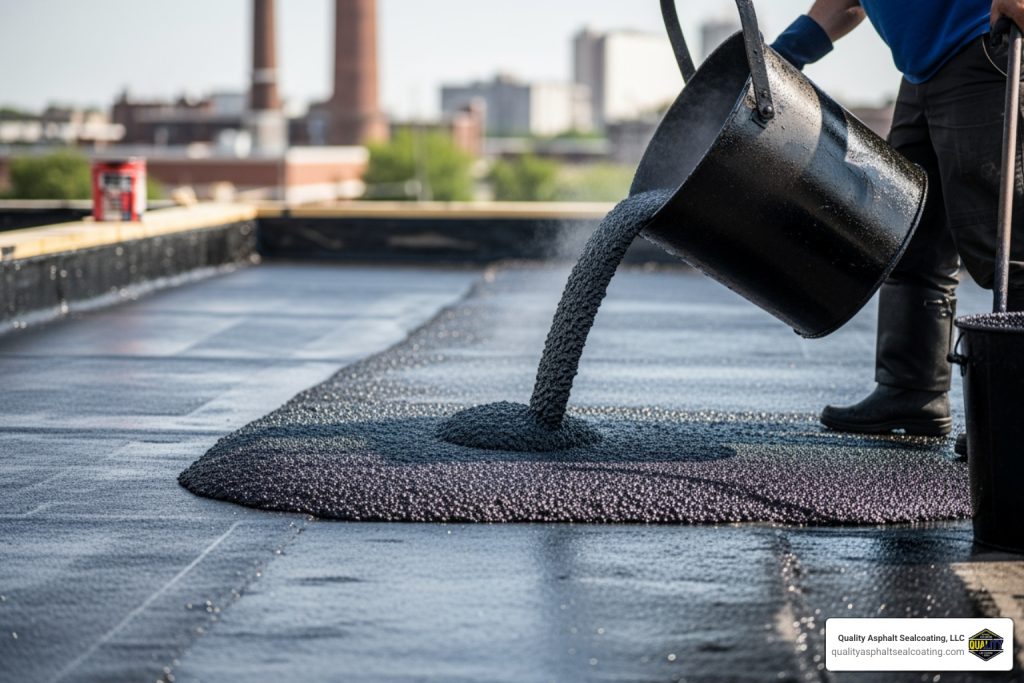
Understanding Bitumen Mastic Asphalt: A Time-Tested Building Material
Bitumen mastic asphalt is a dense, durable mixture of bitumen binder, mineral fillers, and fine aggregates that creates a seamless, waterproof surface for construction applications. Unlike standard asphalt, it contains minimal voids and becomes pourable when heated to working temperature, requiring no compaction on-site.
Quick Overview of Bitumen Mastic Asphalt:
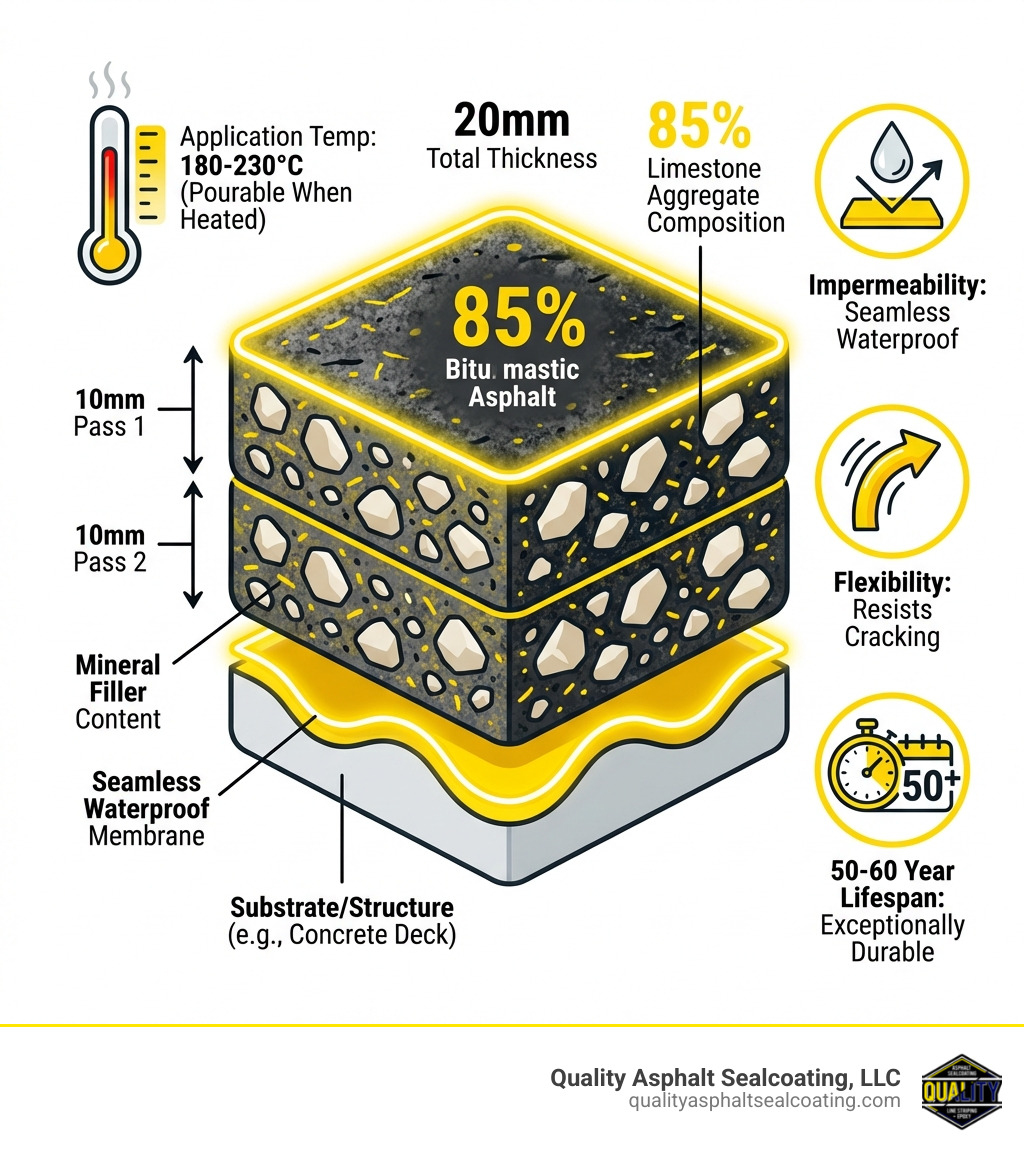
- Composition: Bitumen (13%), limestone aggregate (85%), and mineral filler
- Key Properties: Waterproof, flexible, chemically resistant, exceptionally durable
- Lifespan: 50-60 years with proper installation (some examples exceed 100 years)
- Main Uses: Roofing, bridge decks, industrial flooring, tanking, and road repairs
- Application: Heated to 180-230°C and spread by hand or machine
- Sustainability: Carbon neutral, 100% recyclable, locally manufactured
If you’re dealing with cracks, water damage, or deteriorating asphalt surfaces on your property, understanding bitumen mastic asphalt helps you evaluate whether this premium material offers the durability and longevity you need. This material has protected structures like St. Paul’s Cathedral for over a century—the mastic asphalt laid there in 1906 provided more than 100 years of effective waterproofing.
While bitumen mastic asphalt differs from the standard hot mix asphalt used in most driveways and parking lots, its superior waterproofing and flexibility make it valuable for specific applications. It’s also related to mastic-based crack fillers and sealants that property owners use for asphalt maintenance.
This guide explains what bitumen mastic asphalt is, how it compares to other materials like Stone Mastic Asphalt (SMA), where it’s used in modern construction, and whether it’s the right solution for your project.
Bitumen mastic asphalt glossary:
What is Bitumen Mastic Asphalt?
At its core, bitumen mastic asphalt is a specialized construction material known for being completely voidless. While standard asphalt used on Rhode Island roads relies on compaction (those big heavy rollers you see) to squeeze out air pockets, mastic asphalt is designed so that the bitumen binder completely fills the spaces between the aggregates.
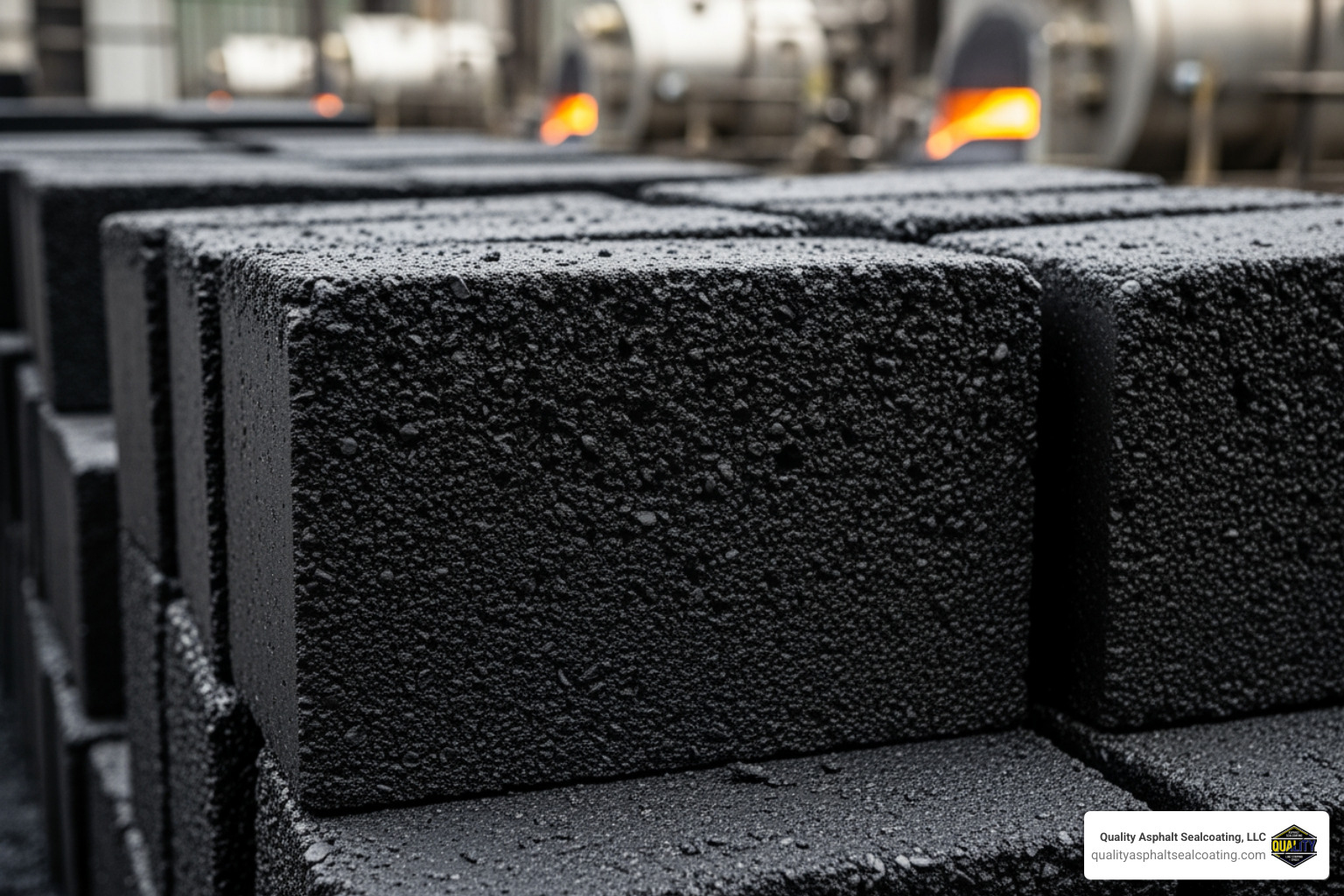
The result is a material that is solid or semi-solid at room temperature but becomes a thick, pourable fluid when heated. It is often delivered to sites in “blocks” or “pulp” and then melted down in specialized cookers. Because it has no air voids, it is naturally impermeable to water, making it the “gold standard” for waterproofing.
To get a deeper look at the basics, you can check out The Sticky Truth About Mastic Asphalt: A Comprehensive Overview.
Bitumen Mastic Asphalt vs. Stone Mastic Asphalt (SMA)
One of the most common points of confusion in our industry is the difference between bitumen mastic asphalt and Stone Mastic Asphalt (SMA). While they sound similar, they serve very different purposes.
| Feature | Bitumen Mastic Asphalt | Stone Mastic Asphalt (SMA) |
|---|---|---|
| Structure | Voidless, binder-rich mass | Stone-on-stone skeleton |
| Compaction | None required (self-leveling) | Requires heavy steel-wheeled rollers |
| Primary Use | Waterproofing, roofing, flooring | High-traffic road surfacing |
| Fibers | Usually none | 0.3% cellulose or mineral fibers |
| Thickness | Typically applied in 10-20mm layers | 2.5 to 3 times aggregate size |
SMA was developed in Germany in the 1960s specifically to resist the wear and tear of studded tires. It uses a “stone skeleton” where coarse aggregates (70-80%) touch each other to provide strength, while a mastic mortar fills the gaps. You can find more technical details on road surfacing variations in the Technical guide to road surfacings.
Key Components and Typical Composition
The recipe for a high-quality bitumen mastic asphalt is precise. We generally see a mix that includes:
- Bitumen (Asphaltic Cement): The “glue” that holds everything together. It usually makes up about 13% of the mix and is selected based on its viscosity and penetration index to ensure it performs well under Rhode Island’s temperature swings.
- Limestone Aggregate: This makes up the bulk of the material (around 85%). It is finely graded to ensure a smooth, dense finish.
- Mineral Filler: Very fine dust (like limestone or granite dust) that helps thicken the bitumen into a true “mastic.”
- Polymer Modification: Modern mastic often includes polymers to increase flexibility at low temperatures and stability at high temperatures.
Key Properties and Advantages
Why do we still use a material that was patented back in 1837? Because it works. The properties of bitumen mastic asphalt are hard to beat:
- Extreme Durability: When properly designed and laid, it has a design life of 50-60 years. In some heritage cases, it has lasted over a century.
- Total Impermeability: Because it has zero voids, water cannot get through. This makes it ideal for “tanking” (waterproofing basements) and roofing.
- Flexibility: It can adapt to slight structural movements without cracking. This is vital for bridge decks and large industrial floors.
- Chemical Resistance: It stands up well against salts, alkalis, and diluted acids—a big plus for Rhode Island winters where salt is everywhere.
- Carbon Neutrality: The mastic asphalt industry was the first in the world to achieve the CarbonZero standard back in 2008.
For more on how this material adapts to different needs, the Mastic Asphalt Council provides a great resource on The Versatility of Mastic Asphalt.
Primary Applications in Modern Construction
While you might not see it on every residential driveway, bitumen mastic asphalt is everywhere in the commercial and industrial sectors. Its ability to create a “seamless” finish is its biggest selling point.
- Industrial Flooring: In warehouses and factories, it provides a tough working surface that can handle heavy forklift traffic.
- Marine Docks and Piers: Its resistance to salt water and heavy loads makes it a favorite for coastal infrastructure.
- Bridge Decks: It acts as both a surfacing material and a waterproofing layer to protect the steel or concrete structure underneath.
If you are dealing with smaller-scale issues like cracks in your existing pavement, we often use mastic-based products for specialized repairs. You can learn more about these at Crack Filling Mastics Services.
Using Bitumen Mastic Asphalt for Road Repairs
In road maintenance, bitumen mastic asphalt is a “trusted choice” for high-stress areas. It is frequently used as a joint filler and crack sealant because it bonds so tightly to the surrounding pavement.
For pothole repair, mastic asphalt “breads” or “tiles” can be melted down to create a patch that is far more durable than standard cold-patch materials. Its high binder content ensures it won’t pop out when a snowplow hits it. You can find more about these standards in the Specification of Bitumen Mastic.
Waterproofing and Roofing Solutions
Roofing is perhaps the most famous use for this material. Unlike felt or sheet membranes, mastic asphalt is applied as a hot liquid. This means it can be molded around pipes, corners, and complex roof shapes with ease, leaving no seams where leaks could start.
To protect the asphalt from Rhode Island’s UV rays, we often apply surface treatments like:
- Aggregate Chippings: For anti-slip properties and solar protection.
- Bituminous Aluminum Paint: To reflect heat and keep the building cooler.
- Isolating Membranes: Materials like sheathing felt or fiberglass tissue are placed underneath the mastic to allow for independent movement of the roof deck.
Production and Installation Process
The manufacturing of bitumen mastic asphalt is a high-temperature affair. Historically, temperatures ranged from 230-270°C (446-518°F). Modern stationary plants now aim for targets below 230°C, and sometimes even below 200°C, to reduce energy consumption and emissions.
The Installation Steps:
- Heating: The material is heated in a specialized “cooker” with a rotating mixer to ensure a consistent, molten mass.
- Transport: For large projects, it’s delivered in bulk. For smaller repairs, it comes in blocks that are melted on-site.
- Spreading: Skilled “spreaders” use a wooden float to move the molten asphalt across the surface. It’s a craft that requires years of training to get a perfectly level, 10mm or 20mm layer.
- Finishing: For roofing, the surface is often “sand rubbed” to reduce the risk of surface crazing as it cools.
- Cooling: The surface must cool significantly before it can be walked on. For screeds, this can be as fast as 60 minutes, but for heavy traffic, it needs to cool below 40°C (104°F).
Frequently Asked Questions about Bitumen Mastic
How long does bitumen mastic asphalt last?
According to BRE Digest 144, a properly designed and laid mastic asphalt roof should last 50-60 years. However, real-world examples often go further. The roof of Buckingham Palace has stayed dry for over 80 years thanks to mastic asphalt, and St. Paul’s Cathedral saw over a century of service from its 1906 installation.
What is the difference between hot and cold-applied mastic?
Hot-applied mastic is the traditional, molten version that provides the highest durability and structural strength. Cold-applied bitumen mastic is a solvent-based or emulsion-based product that stays liquid at room temperature. Cold mastic is excellent for quick repairs, joint sealing, and DIY waterproofing, but it doesn’t offer the same heavy-duty “wearing” surface as the hot-applied version. Cold-applied versions usually have a drying time of about 2 hours (touch dry) and a backfill time of 24 hours.
Is bitumen mastic asphalt environmentally friendly?
Yes, surprisingly so! Despite being a petroleum product, the UK mastic asphalt industry was the first to achieve CarbonZero status. It is 100% recyclable—old mastic can be broken up, remelted, and used again in road surfacing or new mastic blocks. Additionally, because it lasts so much longer than felt or other membranes, the “lifetime” carbon footprint is much lower.
Conclusion
Bitumen mastic asphalt remains one of the most versatile and reliable materials in the construction world. From protecting the historic cathedrals of the world to providing a durable surface for Rhode Island’s industrial floors and bridge decks, its “voidless” nature makes it an unbeatable barrier against the elements.
At Quality Asphalt Sealcoating, LLC, we’ve spent over 23 years perfecting the art of asphalt maintenance right here in Rhode Island. As a family-owned business, we understand that whether you’re a homeowner or a commercial property manager, you want a surface that lasts. While we specialize in residential and commercial sealcoating and pothole repair, our expertise in materials like mastic-based crack fillers ensures your pavement gets the best protection available.
If you’re seeing cracks or water damage on your property, don’t wait for them to become expensive headaches. Request a quote for crack filling mastics services today and let our family help protect your investment with the right materials and decades of experience.