Why Understanding Asphalt Maintenance Cost Matters for Your Property
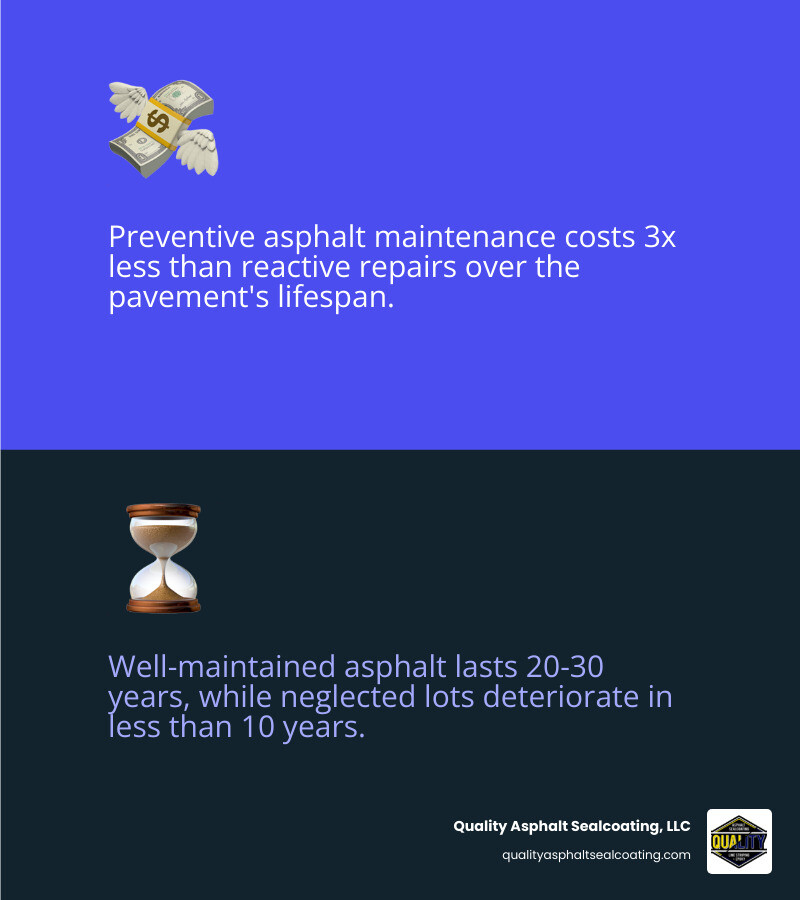
Asphalt maintenance cost varies widely depending on whether you take a preventive or reactive approach, with preventive maintenance typically costing three times less than reactive repairs over the pavement’s lifespan.
Quick Cost Reference:
| Maintenance Type | Cost Range | Frequency |
|---|---|---|
| Preventive: Crack Sealing | $0.50–$3/linear foot | Annually or as needed |
| Preventive: Sealcoating | $0.25–$0.50/sq ft | Every 2-3 years |
| Reactive: Pothole Patching | $100–$400 each | As failures occur |
| Reactive: Full-Depth Repair | $4–$10/sq ft | Major deterioration |
| Reactive: Full Replacement | $8–$15+/sq ft | End of life |
Your asphalt pavement represents a significant investment—often a six-figure asset for commercial properties. Yet many property owners face a common challenge: balancing immediate budget constraints with long-term pavement preservation.
The difference between these two approaches is stark. A well-maintained asphalt surface can last 20-30 years, while a neglected lot can deteriorate in less than 10 years. That small crack you see today? Left untreated, it invites water intrusion, leading to base failure and eventually a pothole that costs exponentially more to repair.
Most property managers find too late that spending $0.50 per linear foot on crack sealing beats paying $100-$400 per pothole—or worse, $8-$12 per square foot for full-depth reconstruction. The math is simple: preventive maintenance extends your pavement’s life while protecting your budget.
This guide breaks down the real costs of asphalt maintenance, compares preventive versus reactive strategies, and shows you how to create a proactive plan that maximizes your return on investment. Whether you manage a commercial parking lot or own a residential driveway, understanding these expenses helps you make smarter decisions about your pavement.
Preventive vs. Reactive Maintenance: Two Roads for Your Asphalt
Imagine your asphalt pavement as a living, breathing thing. Over time, it faces a constant barrage of environmental stressors and heavy traffic. This leads to a natural cycle of deterioration, often starting with tiny fissures that expand into larger problems. Water intrusion is asphalt’s number one enemy, relentlessly seeping into cracks, weakening the sub-base, and causing widespread damage. Add to that the relentless assault of UV rays, which oxidize the asphalt binder, making it brittle, and you have a recipe for premature failure.
The Proactive Approach: Preventive Maintenance
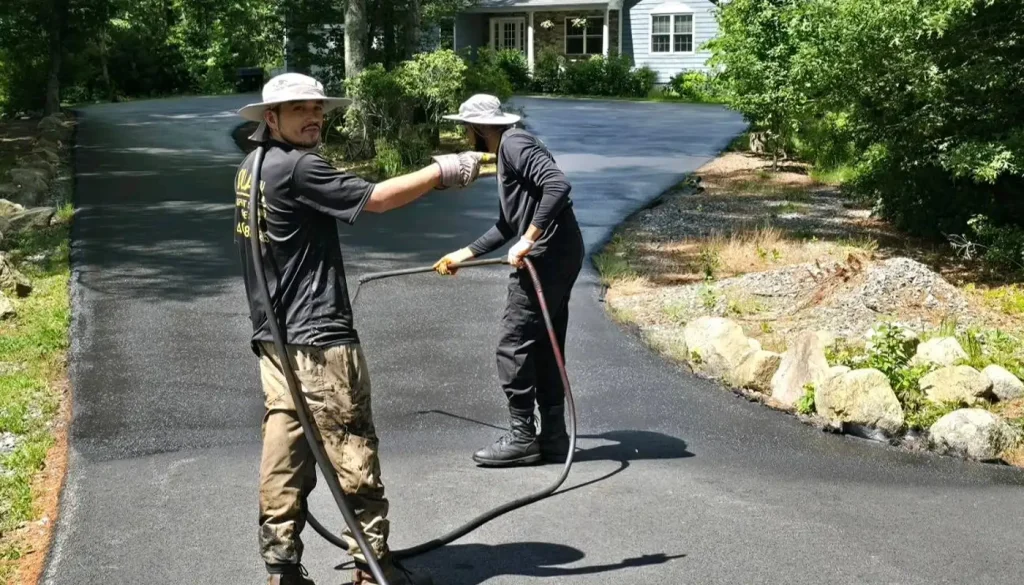
Preventive asphalt maintenance is all about staying ahead of the curve. It involves taking proactive measures to address minor issues before they escalate into expensive, time-consuming repairs. Think of it as a regular health check-up for your pavement, catching small problems before they become critical.
The benefits of this proactive strategy are undeniable, especially for those of us in Rhode Island who experience harsh freeze-thaw cycles:
- Cost-Effectiveness: This is the big one. Preventive maintenance typically costs significantly less than waiting for problems to compound. Studies show it can be three times cheaper than reactive repairs.
- Extended Pavement Lifespan: A properly maintained asphalt surface can last 20 to 30 years, delaying the need for costly resurfacing or full replacement for decades.
- Improved Safety: By addressing cracks and minor surface imperfections, we eliminate trip hazards and reduce the risk of vehicle damage, enhancing safety for pedestrians and drivers alike.
- Improved Curb Appeal: A smooth, dark, well-marked asphalt surface significantly boosts the aesthetic appeal of any property, creating a positive first impression for visitors and customers.
- Minimized Downtime: Scheduled preventive maintenance causes far less disruption than emergency repairs, allowing businesses to operate smoothly.
We offer a range of preventive services designed to protect your investment and keep your asphalt in top condition. You can find more information about our offerings on our services page.
The “Wait and See” Trap: Reactive Maintenance
Reactive asphalt maintenance, on the other hand, is the “wait and see” approach. It’s about fixing problems only after they’ve become glaringly obvious—and often, quite severe. This typically involves emergency repairs to address immediate safety concerns or operational disruptions.
While sometimes unavoidable, relying solely on reactive maintenance comes with significant drawbacks:
- Higher Long-Term Costs: Neglected cracks turn into potholes, which then lead to widespread base failure. Repairing these extensive damages is far more expensive than preventing them.
- Increased Liability: Potholes and severely cracked surfaces pose significant safety risks, leading to potential slip-and-fall incidents or vehicle damage claims.
- Business Disruption: Emergency repairs often require closing off sections of a parking lot or driveway, disrupting customer flow and business operations.
- Accelerated Deterioration: Reactive fixes often don’t address the root cause of the problem, leading to rapid deterioration of surrounding areas and a cycle of endless repairs.
- Shortened Lifespan: A pavement that only receives reactive maintenance might last less than 10 years, forcing premature and expensive replacement.
The Real Asphalt Maintenance Cost: A Detailed Breakdown
The stark difference in asphalt maintenance cost between preventive and reactive strategies can be summarized by the old adage: “A dollar of prevention is worth five dollars of cure.” Or, in the case of asphalt, sometimes even more! Let’s break down the typical costs associated with each approach.
| Maintenance Task | Typical Cost Range | Frequency / When Needed |
|---|---|---|
| Preventive Tasks | ||
| Crack Sealing | $0.50 – $3 per linear foot | Annually or as needed (often twice a year) |
| Sealcoating | $0.18 – $0.50 per square foot | Every 2-3 years |
| Routine Cleaning/Sweeping | $35 – $75 per hour | Quarterly or as needed |
| Line Striping | $0.10 – $0.40 per linear foot | Every 1-3 years (post-sealcoat) |
| Reactive Tasks | ||
| Pothole Patching (Cold Patch) | $100 – $200 per patch | As potholes form (temporary) |
| Pothole Patching (Hot Patch) | $250 – $500 per patch | As potholes form (more permanent) |
| Full-Depth Repair (Cut & Replace) | $6 – $12 per square foot | For severe base failure |
| Resurfacing/Overlay | $1 – $7 per square foot | When surface damage is widespread, base is sound |
| Full Replacement | $8 – $15+ per square foot | For complete structural failure |
This table clearly illustrates the cost escalation. A small investment in crack sealing can prevent a much larger expense down the road.
Typical Preventive Asphalt Maintenance Cost
Investing in preventive measures means a lower asphalt maintenance cost over the long run. These tasks are designed to protect your pavement from the elements and extend its functional life.
- Crack Sealing: This is perhaps the most critical preventive task. For Rhode Island properties, our freeze-thaw cycles make cracks a prime entry point for water. Applying hot rubberized crack sealant costs typically between $0.50 and $3 per linear foot. This small investment prevents water from seeping into the sub-base, which is the leading cause of potholes and more severe damage. Neglected cracks can expand into potholes, requiring repairs that can cost $100-$400 each! We specialize in using high-quality materials for lasting results, including our crack filling mastic services.
- Sealcoating: Often performed every 2-3 years, sealcoating applies a protective layer over your asphalt. This costs roughly $0.18 to $0.50 per square foot, depending on the size and condition of the surface. This protective barrier shields your asphalt from UV rays, oxidation, oil spills, and water penetration. Sealcoating can add 5-7 years to the life of your asphalt, delaying costly reconstruction projects. Our driveway sealcoating services and commercial sealcoating are key to this protection.
- Routine Cleaning/Sweeping: Regular sweeping and cleaning, which typically costs $35-$75 per hour, removes debris, dirt, and chemical spills that can degrade your asphalt over time. It also helps identify issues early.
- Line Striping: While often done after sealcoating, clear line striping is crucial for safety and organization. Costs typically range from $0.10-$0.40 per linear foot. This helps maintain clear traffic flow and ADA compliance, which is especially important for commercial parking lots.
The Higher Reactive Asphalt Maintenance Cost
When preventive measures are skipped, the asphalt maintenance cost skyrockets. Reactive repairs are typically emergency fixes, addressing problems that have already manifested into significant damage.
- Pothole Patching: Potholes are the classic sign of neglected cracks and water intrusion. Patching a pothole can cost anywhere from $100-$400 each, or $3-$7 per square foot. The cost varies depending on whether a temporary cold patch or a more durable hot patch is used. Hot patch repair generally costs $250-$500, while cold patch repair is $100-$200. While a necessary fix, it’s a symptom, not a cure for underlying issues. We provide efficient line striping and pothole repair services to address these urgent needs.
- Full-Depth Repair: When the sub-base is compromised, a simple patch won’t suffice. Full-depth repair, or cut and replace patching, involves removing the damaged section down to the sub-base and replacing it with new asphalt. This can cost $4-$10 per square foot, or even $6-$12 per square foot for more complex jobs. This is a significant jump from crack sealing!
- Resurfacing/Overlay: If surface damage is widespread but the underlying base is still sound, resurfacing (applying a new layer of asphalt over the old) can be an option. This typically costs $3-$7 per square foot, though some sources indicate $1-$4 per square foot. It can add several years to the pavement’s life but doesn’t address deep structural issues.
- Full Replacement: This is the most expensive option, needed when the entire pavement structure has failed. Full replacement costs range from $8-$15+ per square foot. For a typical driveway, this can mean $3,000-$10,000. This is the ultimate consequence of neglecting preventive maintenance.
What Drives Your Pavement Expenses? Key Cost Factors
Understanding the various factors that influence your asphalt maintenance cost is crucial for effective budgeting and planning. From the ground beneath your feet to the weather above, several elements play a significant role.
One major factor for us in Rhode Island is our geographic location. The harsh New England weather, with its severe freeze-thaw cycles, puts immense stress on asphalt. This constant expansion and contraction exacerbates cracks and accelerates deterioration, often requiring more frequent and robust maintenance than in milder climates.
Other key factors include:
- Contractor Experience: Experienced contractors, like us at Quality Asphalt Sealcoating, LLC, with 23+ years in the business, might have slightly higher upfront costs but offer superior workmanship and longevity, ultimately reducing your long-term expenses.
- Material Costs: The price of asphalt is closely tied to crude oil prices, which can fluctuate. Higher material costs directly impact your repair and maintenance expenses.
- Project Size and Accessibility: Larger projects often benefit from economies of scale, while smaller, hard-to-access areas might incur higher per-unit costs due to logistics and specialized equipment.
Asphalt Thickness and Intended Use
The initial design and intended use of your asphalt surface significantly impact its future maintenance needs and costs.
- Residential Driveways: Typically 2-3 inches thick, designed for light vehicle traffic. While seemingly robust, even these require regular maintenance to withstand daily use and Rhode Island’s weather.
- Light Commercial Lots: Often 4 inches thick, suitable for moderate traffic and smaller commercial vehicles. These lots see more wear and tear and need a consistent maintenance schedule.
- Heavy-Duty Lots: For areas with heavy truck traffic, loading docks, or bus terminals, asphalt layers of 6-8 inches or more are common. These surfaces are built to endure significant weight and volume but also require vigilant maintenance to prevent deep-seated issues.
The greater the traffic volume and vehicle weight, the more stress the pavement endures, leading to potentially higher maintenance frequencies and costs if not properly addressed.
Environmental and Structural Factors
The environment and the underlying structure of your asphalt are paramount to its longevity.
- Water Intrusion: As we’ve mentioned, water is asphalt’s nemesis. It seeps into cracks, freezes, expands, and thaws, destroying the structural integrity of the pavement. Effective drainage is vital. The Federal Highway Administration emphasizes the importance of preventing water entry into the road base. You can learn more about general pavement maintenance best practices.
- UV Exposure: The sun’s ultraviolet rays cause asphalt to oxidize, making it brittle and faded. This leads to surface cracks and a degraded appearance. Sealcoating is your best defense here.
- Chemical Spills: Oil, gas, and other chemical spills can dissolve the asphalt binder, creating soft spots and accelerating deterioration. Prompt cleaning and sealcoating can mitigate this damage.
- Sub-Base Condition: The sub-base (the layer beneath the asphalt) is the foundation of your pavement. If it’s poorly constructed or damaged by water, even new asphalt will fail prematurely. Issues like alligator cracking are often indicators of sub-base failure.
- Drainage Issues: Poor drainage leads to standing water, which exacerbates water intrusion. Implementing solutions like proper grading, swales, and clean culverts is crucial to divert water away from your asphalt surfaces.
From Plan to Pavement: Maximizing ROI and Lifespan
For any property manager or homeowner in Rhode Island, a strategic approach to asphalt care isn’t just about repairs—it’s about smart investment. By embracing a comprehensive Pavement Management Plan (PMP), you can significantly reduce your overall asphalt maintenance cost, ensure safety, and improve property value. The goal is to maximize your return on investment (ROI) by extending the pavement’s lifespan far beyond what reactive measures alone could achieve.
Creating a Proactive Maintenance Schedule
A well-structured maintenance schedule is the backbone of a long-lasting asphalt surface. Here’s what we recommend:
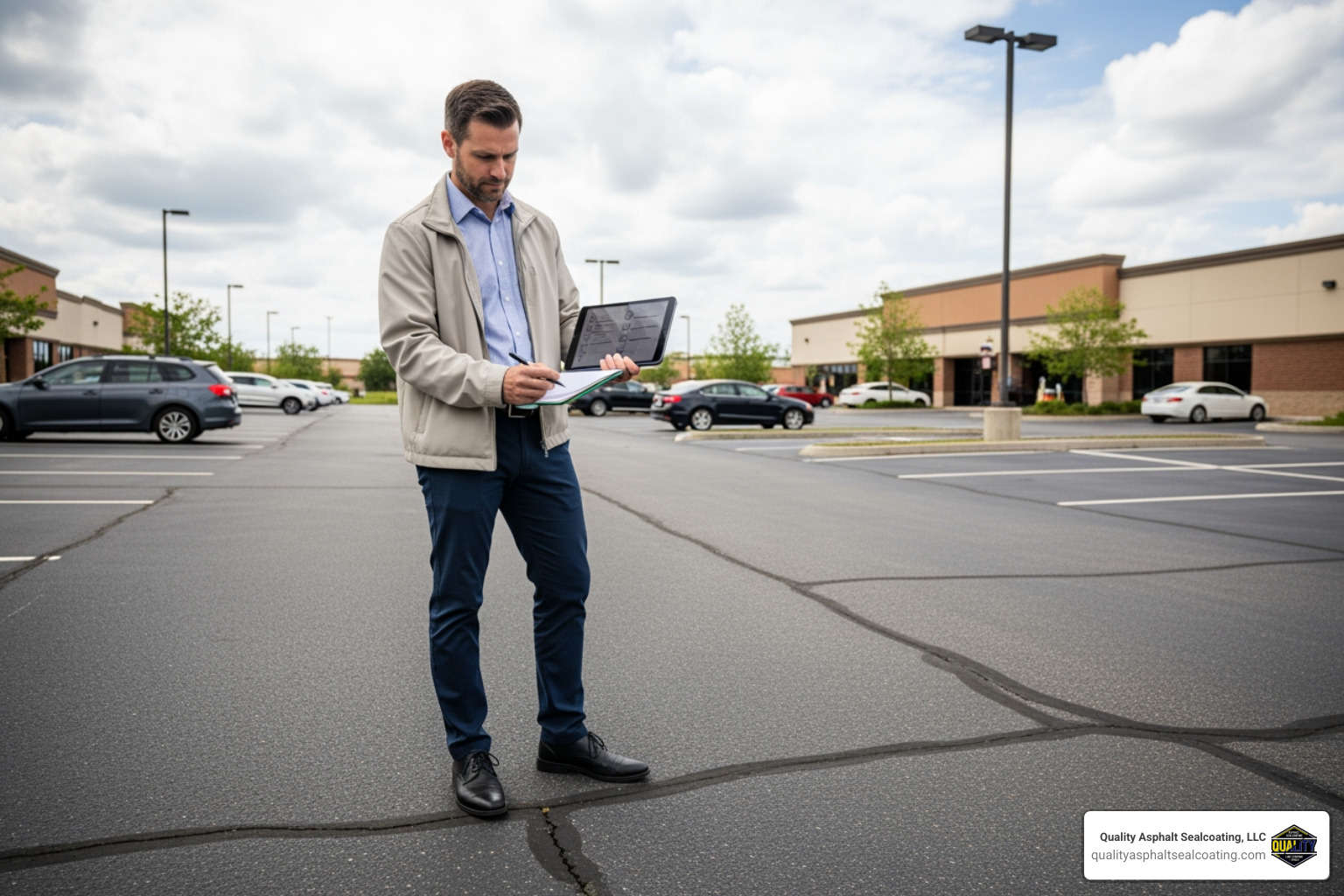
- Regular Inspections: We advise conducting semiannual inspections of your asphalt surfaces. Walk the entire area, looking for new cracks, faded lines, oil spots, or any subtle signs of deterioration. Early detection is key to preventing minor issues from becoming major headaches.
- Crack Sealing: Given Rhode Island’s climate, cracks are inevitable. We recommend crack sealing annually or as needed. Some experts even suggest performing crack filling twice a year to combat the freeze-thaw cycles effectively. Sealing small cracks immediately prevents water from penetrating the sub-base, which is crucial for preserving the pavement’s integrity.
- Sealcoating: For commercial parking lots and residential driveways, sealcoating every 2-3 years is ideal. This protective layer acts as a sunscreen for your asphalt, guarding against UV radiation, water damage, and chemical spills. Our commercial parking lot sealcoating services are custom to meet the demands of high-traffic areas.
- Sweeping and Cleaning: Quarterly sweeping and cleaning remove abrasive debris, dirt, and chemicals that can degrade your asphalt over time. This also helps keep your property looking pristine and professional.
Repair, Resurface, or Replace? Making the Right Call
One of the most critical decisions in asphalt management is knowing when to repair, when to resurface, and when to bite the bullet and replace. This choice directly impacts your asphalt maintenance cost.
- The 50% Rule: A common guideline property owners use is the “50% rule.” If the cost of repairing the asphalt exceeds 50% of the cost of replacing it, replacement is usually the more cost-effective long-term solution.
- When to Repair: Minor cracks, small potholes, and minor surface damage can often be effectively repaired. If the underlying base is still solid, targeted patching and crack sealing can extend the pavement’s life.
- When Resurfacing is Viable: If the surface shows widespread cracking (but not alligator cracking) and minor deterioration, and the sub-base is still in good condition, resurfacing (overlay) can be a cost-effective option. This involves cleaning and prepping the existing surface, applying a tack coat, and then laying a new layer of asphalt. It’s a great way to refresh the appearance and add years of life without the full expense of replacement.
- When to Replace: Unfortunately, there comes a time when replacement is the only viable option. This is typically indicated by:
- Alligator Cracking: This severe, interconnected cracking pattern resembles alligator skin and is a clear sign of sub-base failure. Once the foundation is compromised, surface repairs are temporary at best.
- Widespread Potholes: Numerous, large, and recurring potholes often point to a failing base layer.
- Significant Heaving or Sinking: Uneven surfaces, dips, or humps can indicate serious structural issues beneath the asphalt.
Making the right decision requires an expert assessment. We can help you evaluate your pavement’s condition and recommend the most cost-effective solution for your Rhode Island property. Take a look at our recent work to see how we transform asphalt surfaces.
Frequently Asked Questions About Asphalt Maintenance
We often get questions from property managers and homeowners about the best ways to care for their asphalt. Here are some of the most common inquiries regarding asphalt maintenance cost and practices:
How often should an asphalt surface be sealcoated?
For optimal protection and to extend the life of your asphalt, we recommend sealcoating every 2-3 years. Factors like heavy traffic, harsh weather conditions (which we certainly experience in Rhode Island!), and intense UV exposure can sometimes necessitate more frequent applications. For new asphalt, it’s generally best to wait 6-12 months after paving for the asphalt to cure fully before applying the first sealcoat.
Does sealing cracks really save money?
Absolutely, yes! Sealing cracks is one of the most cost-effective preventive maintenance tasks you can perform. Consider this: crack sealing typically costs $0.50–$3 per linear foot. However, if those cracks are neglected, water will penetrate, leading to potholes that can cost $100–$400 each to repair. Even worse, neglected cracks can lead to full-depth repairs costing $4–$10 per square foot. The research consistently shows that preventive maintenance, like crack sealing, costs up to three times less than reactive repairs. By keeping water out, you preserve the integrity of your asphalt’s sub-base, preventing much more expensive problems down the line. It’s a small investment that yields huge savings.
What is the typical lifespan of an asphalt parking lot?
The lifespan of an asphalt parking lot or driveway is heavily dependent on the level of maintenance it receives. A well-maintained asphalt surface can last 20-30 years, providing decades of reliable service. This longevity is achieved through a consistent schedule of crack sealing, sealcoating, and prompt repairs.
In stark contrast, a neglected asphalt lot, left to the mercy of weather, traffic, and time, can deteriorate in less than 10 years. Factors like poor initial construction, heavy traffic loads, severe weather cycles (hello, Rhode Island winters!), and inadequate drainage can all shorten its life, making regular maintenance even more critical.
Protect Your Investment with Proactive Maintenance
As we’ve explored, understanding asphalt maintenance cost is more than just knowing repair prices; it’s about making strategic decisions that protect your property and budget for years to come. The evidence is clear: a proactive, preventive approach to asphalt maintenance significantly reduces long-term expenses, extends the life of your pavement by decades, improves safety, and boosts your property’s curb appeal.
Ignoring small cracks and minor wear today will inevitably lead to costly, disruptive, and often emergency reactive repairs tomorrow. By investing in a consistent maintenance plan that includes regular inspections, crack sealing, and sealcoating, you’re not just fixing problems—you’re preserving a valuable asset.
At Quality Asphalt Sealcoating, LLC, we’re a family-owned Rhode Island business with over 23 years of experience. We pride ourselves on using top-quality materials and delivering lasting results for both residential and commercial properties throughout Rhode Island. Our expertise in sealcoating, crack filling, pothole repair, and line striping means we’re equipped to help you implement a smart, cost-effective maintenance strategy.
Don’t wait for minor issues to become major headaches. Take control of your asphalt maintenance cost and ensure the longevity of your pavement. Explore our comprehensive asphalt maintenance services today and let us help you protect your investment.