Why Apartment Complex Maintenance Directly Impacts Your Bottom Line
Apartment complex maintenance is the foundation of profitable property management. When systems fail or pavement deteriorates, you’re not just facing repair bills—you’re risking tenant turnover, safety violations, and declining property value.
Quick Answer: Essential Apartment Complex Maintenance Priorities
- Preventive Maintenance – Scheduled inspections of HVAC, plumbing, electrical systems, and exterior surfaces to catch problems early
- Emergency Response – 24-hour availability for gas leaks, water damage, heating failures, and safety hazards
- Exterior Upkeep – Regular sealcoating, crack filling, pothole repair, and line striping to prevent trip hazards and maintain curb appeal
- Unit Turns – Systematic make-ready processes including appliance checks, painting, and safety inspections between tenants
- Staffing – Typically two maintenance technicians per 100 units, plus a manager for oversight and planning
According to the National Apartment Association, over 75,000 property management companies handle these responsibilities across millions of units nationwide. The difference between thriving properties and struggling ones often comes down to one simple choice: proactive maintenance versus reactive repairs.
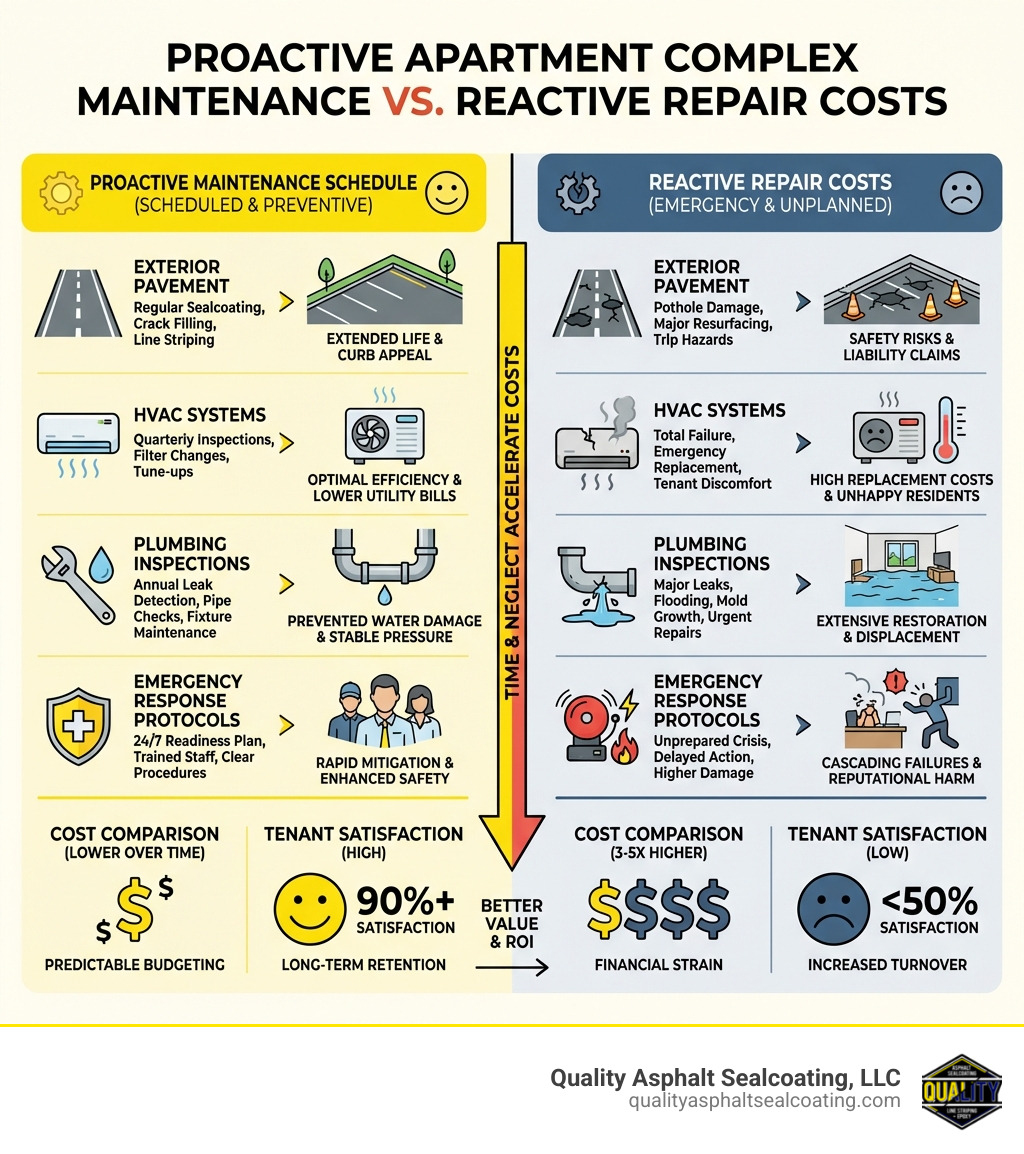
Property owners who wait for problems to emerge face costs that are three to five times higher than those who maintain regular schedules. A simple example: cleaning an HVAC filter costs $5-10, but replacing a failed unit runs $400-600. More importantly, emergency repairs often require relocating tenants—an expense that compounds quickly.
The most overlooked area? Exterior surfaces. Cracked pavement, faded line striping, and deteriorating asphalt don’t just look unprofessional. They create liability risks and signal to prospective tenants that management cuts corners. In climates like Rhode Island’s, where freeze-thaw cycles accelerate pavement damage, neglecting parking lots and walkways can reduce property value by thousands of dollars annually.
This guide breaks down the systems, staffing, and strategies that separate well-run apartment complexes from those constantly firefighting problems. Whether you manage a 50-unit garden apartment or a 300-unit high-rise, the principles remain the same: plan ahead, maintain consistently, and protect your investment.
The Core Pillars of Apartment Complex Maintenance
To run a successful building, we have to look at apartment complex maintenance through three distinct lenses. Think of it like a three-legged stool: if one leg is missing, the whole thing topples over (and usually lands on your budget).
Comparing Maintenance Types
| Maintenance Type | Goal | Examples | Timing |
|---|---|---|---|
| Preventive | Asset Protection | HVAC filter changes, roof inspections, sealcoating | Scheduled/Proactive |
| Reactive | Fix on Failure | Fixing a broken dishwasher, patching a drywall hole | As-needed |
| Emergency | Life & Safety | Gas leaks, burst pipes, no heat in winter | Immediate (24-hour) |
Preventive maintenance is our favorite topic. It’s the scheduled upkeep that keeps your property habitable and safe. By following a strict schedule, we can extend the life of expensive equipment and keep building codes in check. For example, Plant Engineering research shows that 55% of facilities still use spreadsheets, but 53% have moved to CMMS (Computerized Maintenance Management System) software to stay organized. In our experience here in Rhode Island, having a digital trail of your maintenance history is a lifesaver when it comes to risk mitigation and insurance claims.
Reactive maintenance happens when things break despite our best efforts. A tenant’s light fixture stops working, or a door handle comes loose. While we can’t stop these entirely, a good proactive strategy reduces these “surprises” significantly.
Emergency maintenance is the heavy hitter. These are issues that threaten health or safety. Most state and local laws require landlords to address these within 24 hours. If a pipe bursts at 2 AM on a Tuesday, your team needs to be ready. This isn’t just about being a nice landlord; it’s about legal habitability.
Building a Professional Maintenance Team
Behind every well-maintained complex is a team of unsung heroes. Depending on the size of your property, your team structure will vary.
Key Roles and Responsibilities
- Maintenance Technicians: These are the boots on the ground. They handle the bulk of daily work orders, from fixing leaky faucets to patching drywall. They need a diverse skill set—a little bit of plumbing, a dash of electrical, and a whole lot of troubleshooting.
- Maintenance Managers: Typically found in complexes with 100 units or more, these folks handle the planning, budgeting, and scheduling. They ensure the technicians have the parts they need and that the property stays within its financial lanes.
- Maintenance Supervisors: In very large or multi-location complexes, supervisors oversee multiple managers and ensure safety compliance across the board.
Staffing Ratios and Industry Outlook
A common industry standard is to have two technicians for every 100 units. If you’re just starting a new staff, we suggest at least one technician per 150 to 200 units in addition to a manager. This ensures that work orders don’t pile up and that the “on-call” rotation doesn’t burn out your staff.
Speaking of the staff, the job outlook is bright! Employment for general maintenance and repair workers is expected to grow by 8% through 2026. The median annual wage was around $40,850 in 2020, but a skilled technician in the US can earn anywhere from $21,700 to over $60,000 depending on their certifications.
Training and Certification
We highly recommend looking for the NAA CAMT Certification (Certificate for Apartment Maintenance Technicians). It validates that a tech has at least 12 months of experience and has mastered the core areas of the trade. Other valuable credentials include the NAHMT (for technicians) or NAHMS (for supervisors) offered by the National Affordable Housing Management Association. In our line of work, we also see the importance of EPA 608 certification for anyone handling HVAC refrigerants.
Streamlining Daily Operations and Work Orders
A typical day for an apartment maintenance technician is never boring. It usually starts with a “grounds check”—picking up litter, checking the pool, and ensuring the common areas are tidy. Then, it’s on to the work order pile.
Common Work Orders
Based on industry data and technician feedback, the most frequent requests include:
- Plumbing: Clogged disposals, running toilets, and leaky faucets.
- Appliances: Fridges that won’t cool or dishwashers that won’t drain.
- HVAC: Filter changes and thermostat issues (especially during those humid Rhode Island summers).
- Electrical: Flickering bulbs, tripped breakers, and outlet repairs.
The Power of the “Unit Turn”
When a tenant moves out, the “make-ready” process begins. This is a critical window to perform deep maintenance that is difficult to do while someone is living there. This includes painting, steam cleaning carpets, checking every single outlet, and ensuring all safety detectors are functional. Using a checklist during this phase prevents future work orders and keeps the new tenant happy from day one.
Using Technology to Your Advantage
The days of paper “to-do” lists are fading. Modern line striping and pothole repair services and interior repairs are now managed through CMMS software. These apps allow tenants to submit requests from their phones, let managers track completion times, and help us predict when a water heater is likely to fail before it actually floods a unit.
Maximizing Curb Appeal and Exterior Safety
You only get one chance to make a first impression. When a prospective tenant pulls into your parking lot, they are already deciding if they want to live there. If they see crumbling asphalt and faded lines, they might keep driving.
Strategic Exterior Apartment Complex Maintenance
Exterior maintenance is about more than just looking pretty; it’s about structural integrity and safety. Our team focuses on:
- Gutter Cleaning: Prevent water from backing up and damaging the roof or siding.
- Roof Inspections: Catching a missing shingle now prevents a $10,000 ceiling repair later.
- Safety Lighting: Ensuring every walkway and parking area is well-lit to deter crime and prevent trips.
- Drainage Systems: Making sure water flows away from the building foundations.
As we discuss in The Complete Guide to Parking Lot Maintenance, your exterior surfaces are some of your most expensive assets. Neglecting them is a recipe for a financial headache.
Pavement Care in Apartment Complex Maintenance
In Rhode Island, our pavement takes a beating. The salt, the snowplows, and the constant freezing and thawing create the perfect storm for asphalt damage.
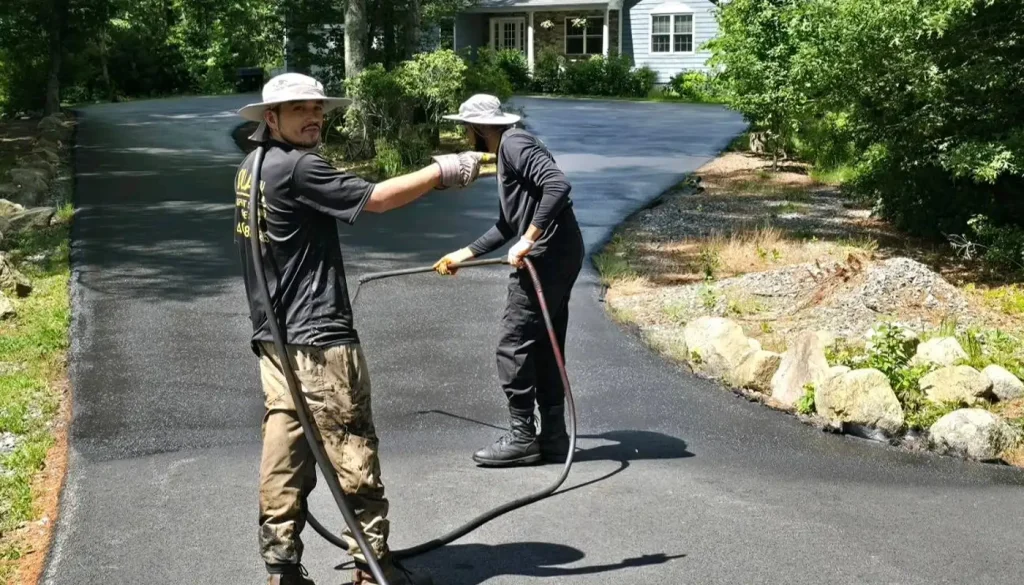
Sealcoating acts as a protective sunblock for your parking lot. It prevents gas, oil, and UV rays from brittle-izing the asphalt. We generally recommend sealcoating every 2 to 5 years, depending on traffic. If you wait too long, the cost to repair the damage skyrockets.
Crack Filling is arguably the most important step in pavement care. When water gets into a crack and freezes, it expands, turning a small hairline fracture into a massive pothole. By filling these cracks early, we stop water in its tracks. As we explore in our Deep Dive into Asphalt Maintenance Expenses, spending a little on crack filling now saves you from a full repaving job later.
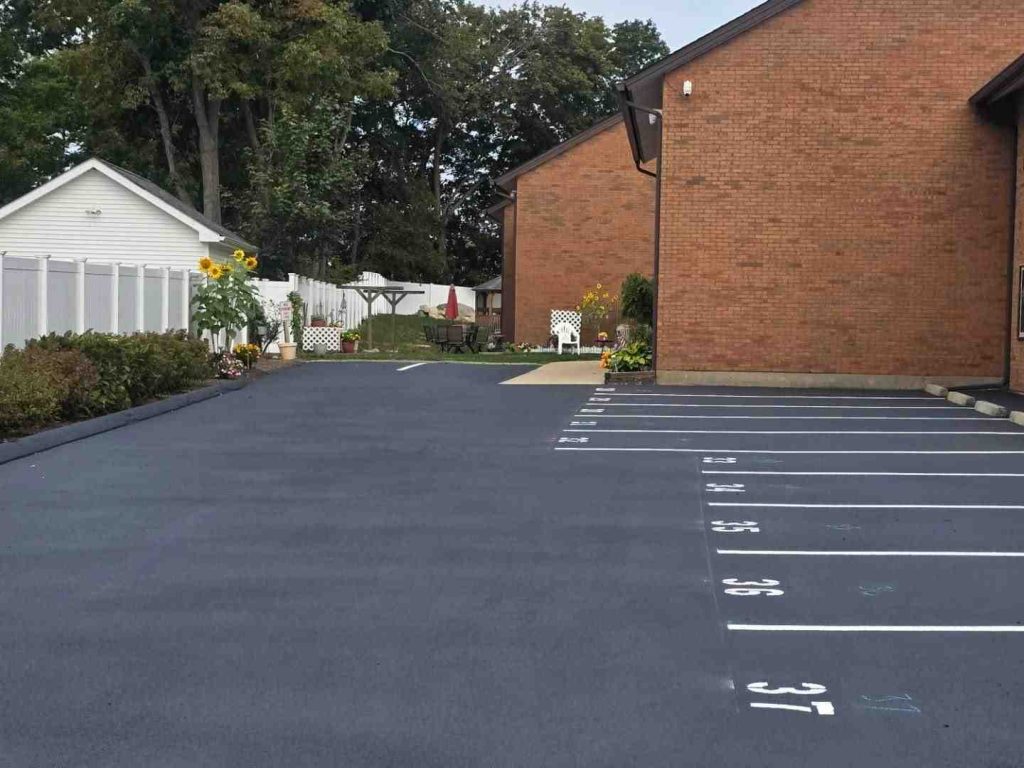
Line Striping is the finishing touch that ensures ADA compliance and organized traffic flow. Faded lines lead to “creative parking” by tenants, which can block emergency vehicle access. Re-striping your parking lot is more than just paint; it’s a safety requirement.
Frequently Asked Questions about Apartment Maintenance
What is considered emergency maintenance in an apartment?
Emergency maintenance includes any situation that poses an immediate threat to life, safety, or the structural integrity of the building. This includes:
- Gas Leaks: If you smell gas, it’s an immediate emergency.
- Water Main Breaks: Flooding that cannot be contained by a tenant.
- Total Power Loss: Not just a tripped breaker, but a full building outage.
- No Heat: Especially critical during Rhode Island winters when temperatures drop below freezing.
- Security Breaches: Broken front door locks or shattered ground-floor windows.
- Fire Hazards: Sparking outlets or smoke that isn’t from a burnt toast incident.
How many maintenance staff are typically needed per number of units?
As mentioned, the “golden ratio” is two technicians per 100 units. However, this can change based on the property’s age. An older building from the 1940s with cast-iron pipes will require much more “hands-on” time than a brand-new luxury mid-rise. We also recommend seasonal adjustments—hiring extra help during the “summer turn” season in college towns can prevent your permanent staff from burning out.
What are the responsibilities of landlords versus tenants in maintenance?
This is usually defined in the lease agreement, but the general rule of thumb is:
- Landlords are responsible for the “bones” of the building—plumbing, electrical, HVAC, structural repairs, and providing working appliances (if included in the lease). They must ensure the unit meets legal habitability standards.
- Tenants are responsible for basic cleanliness and reporting issues immediately. If a tenant breaks a window or clogs a toilet with something that shouldn’t be there (we’ve seen it all!), they are usually responsible for the repair costs. Tenants are also responsible for their own personal property—landlords don’t fix the tenant’s 1990s microwave.
Conclusion
At the end of the day, apartment complex maintenance is about people. Happy tenants stay longer, take better care of their units, and recommend your building to their friends. By shifting from a reactive “fix it when it breaks” mindset to a proactive, software-driven strategy, you protect both your residents and your ROI.
Whether it’s a midnight plumbing emergency or a scheduled parking lot sealcoating, every task matters. At Quality Asphalt Sealcoating, LLC, we’ve spent over 23 years helping Rhode Island property managers keep their exteriors safe and beautiful. We are a family-owned business that understands the unique challenges of our local climate, from the salt air of the coast to the deep freezes of the northern woods.
Don’t let your property’s first impression be a cracked, faded parking lot. Let us help you maintain the high standards your tenants deserve.
Ready to upgrade your property’s curb appeal?
Explore our professional apartment complex maintenance services and see how we can help you stay ahead of the curve.